The Rise Of On-Chain Wall Street
Institutions are finally moving their money on-chain, and retail investors need to watch the plumbing, not the hype. The "tokenized future" is here, but the distribution of risk is shifting in real time.
Cameron Walton, Tokenomics Veteran & Launchpad Critic·updated July 10, 2026
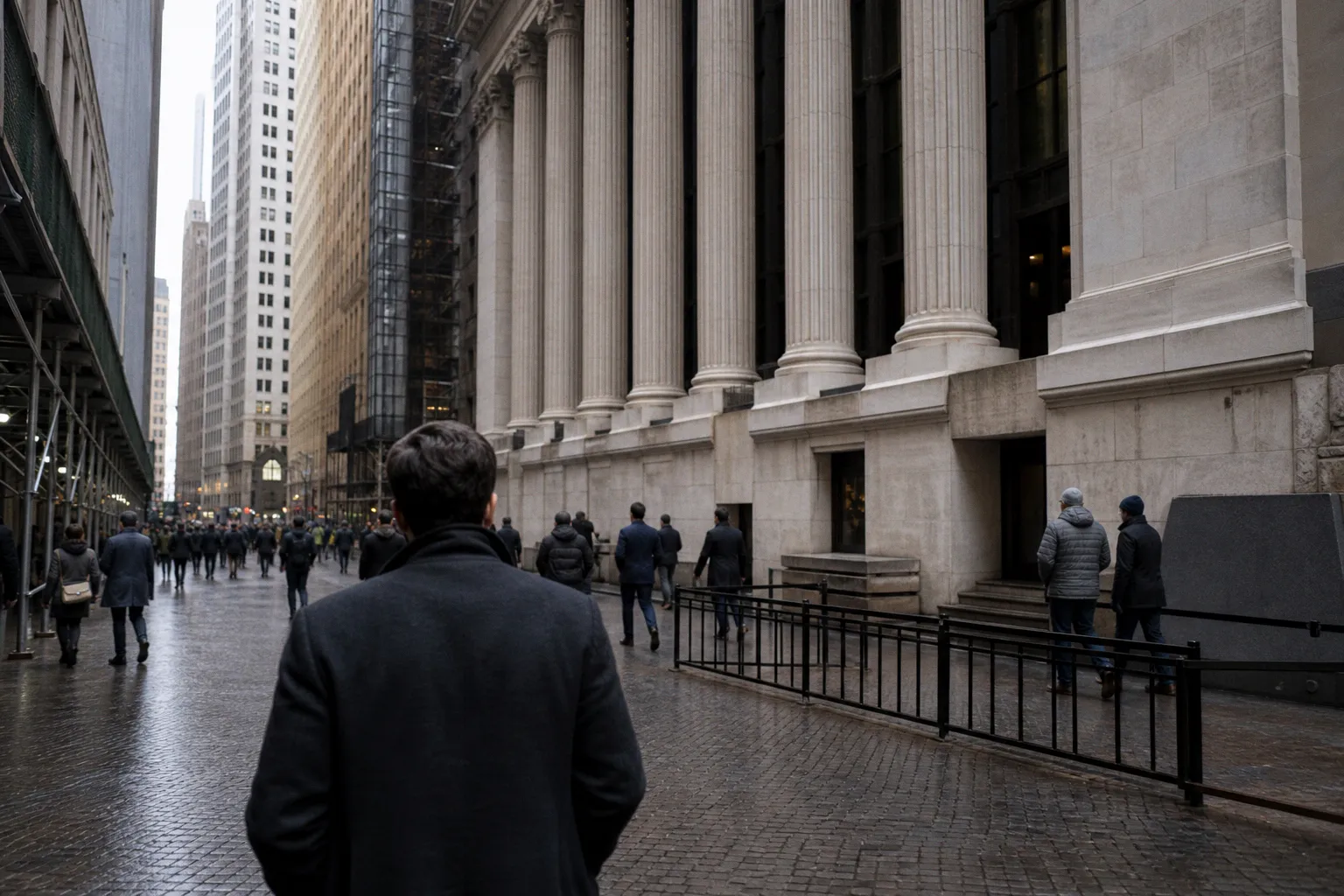
The Tokenization Engine
The headline narrative is straightforward: take familiar assets and put them on a blockchain. Robinhood Chain, Binance's stock token platform with over $1B in AUM, and similar efforts are about creating continuous, global markets. For us, the critical metric isn't the AUM number—it's the settlement and custody model. Who holds the underlying asset? What happens in a chain halt? The "24/7" trading pitch sounds revolutionary, but it just means your exposure to a black swan event is also 24/7.
Follow the Regulatory Rubber Stamp
Ripple's recent MiCA approval to operate regulated crypto services across Europe is a concrete data point. It's not just about one company; it's the playbook. Traditional finance doesn't build on-chain without a regulatory moat. This signals a future where compliant, institutional-grade platforms will dominate the tokenization space, potentially sidelining more permissionless, DeFi-native experiments. The risk for the retail participant is getting squeezed between unregulated DeFi volatility and institutional-grade, slow-moving tokenized products.
The Retail Pitfall: Custody and Illusion of Ownership
The pitch is "access," but the reality is often a new form of counterparty risk. When you buy a tokenized stock on a centralized platform, you're not directly owning the share. You own a claim on the platform's balance sheet. It's a familiar game with new tech. My checklist: Always verify the asset's backing on-chain if possible. Scrutinize the issuer's audit trail. Remember, "on-chain" does not automatically mean "decentralized" or "non-custodial." The new Wall Street is just using a new ledger.