Valle Capital Token Launches RWA and Agribusiness Ecosystem
650,000,000 VCT tokens on BNB Smart Chain. That's the only hard number in the entire announcement, and Valle Capital wants you to anchor on it before you start asking the harder questions.
Cameron Walton, Tokenomics Veteran & Launchpad Critic·updated July 02, 2026
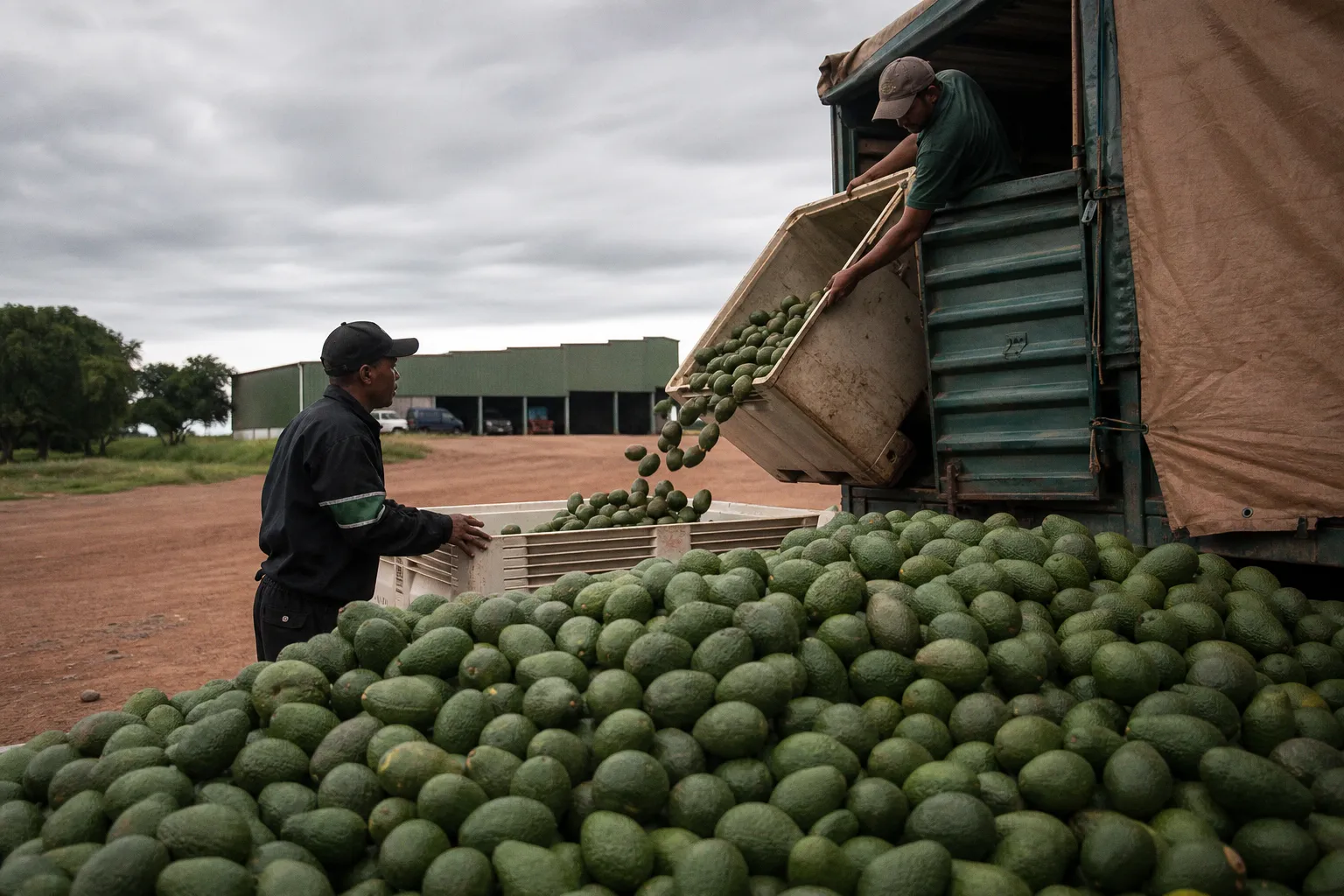
A BVI tokenization vehicle, a Brazilian agribusiness thesis, "operational complexity" solved by smart contracts and dashboards. I've read this script before — different soy, different wrapper, same DNA. The marketing skin is glossy. The mechanics underneath need a forensic pass.
What the announcement actually tells me
The total supply is 650 million VCT. No allocation table. No team tranche. No public-sale bucket. No treasury wallet. No vesting cliffs. Nothing about who gets what, when, or under what unlock conditions. For an RWA project that wants institutional capital to take it seriously, that's not an oversight — that is the audit.
The token sits on BSC, which keeps gas cheap and makes the on-chain "operational record" easy to demo. The release says Valle Capital "intends to register hashes and references" of real-world operations. Hashes and references are not custody. They are receipts that something happened, somewhere, in someone's spreadsheet. The legal weight still lives in Brazilian corporate paper and BVI wrapper documents — not on-chain, no matter what the dashboard shows.
The RWA pitch, read cold
Valle Capital frames itself as connective tissue between producers, warehouses, logistics providers, exporters, financial partners, insurers, and "international counterparties." A lot of counterparties for a project that, in this announcement, names exactly zero of them.
Financing flows "are expected to be formalized through legal structures and recorded on-chain." Expected. Formalized. Two weasel words back to back. I don't allocate capital on "expected." And "recorded on-chain" is the language of an exploration, not a product. The BVI tokenization entity is a classic move — legal interface at arm's length from Brazilian regulators, a friendly wrapper for issuing tokens to "eligible global participants." Every word in that phrase is working. "Eligible" means KYC is coming, eventually. "Global" means the project wants your jurisdiction's dollars but not necessarily its rulebook.
The 650 million supply against an agribusiness pipeline with no named off-taker, no named warehouse, no named collateral, no published audit. That's not an RWA launch. That's an FDV with a thesis stapled to it.
What I want before VCT gets a second look
I ran the release through the same filter I use on every launchpad pick. Here's where VCT fails publicly, right now:
- A token allocation table — addresses, percentages, vesting cliffs.
- A published independent smart-contract audit on the BSC contract. Not "planned." Published.
- Named legal counsel in BVI and Brazil, and the corporate chain from the agribusiness entity up to the token issuer.
- Proof of any real-world receivable, export contract, or warehouse collateral to be referenced on-chain.
- A team page with verifiable track record — not stock photos, not LinkedIn ghosts.
Until those land, VCT is a slide deck with a 650-million-token supply and a BVI wrapper. The agribusiness trade-finance thesis isn't new and isn't wrong. The capital-stack opacity here is. That's the part I'll be tracking — and the only part that should move anyone off the sidelines.